

Share this content:
Health officials are urging earlier vaccination and updated precautions as the upcoming flu season approaches, citing lessons from recent years
Health authorities released updated guidelines this week ahead of the upcoming seasonal flu period, urging earlier vaccination timelines and renewed precautions for higher-risk groups following patterns observed in recent flu seasons.
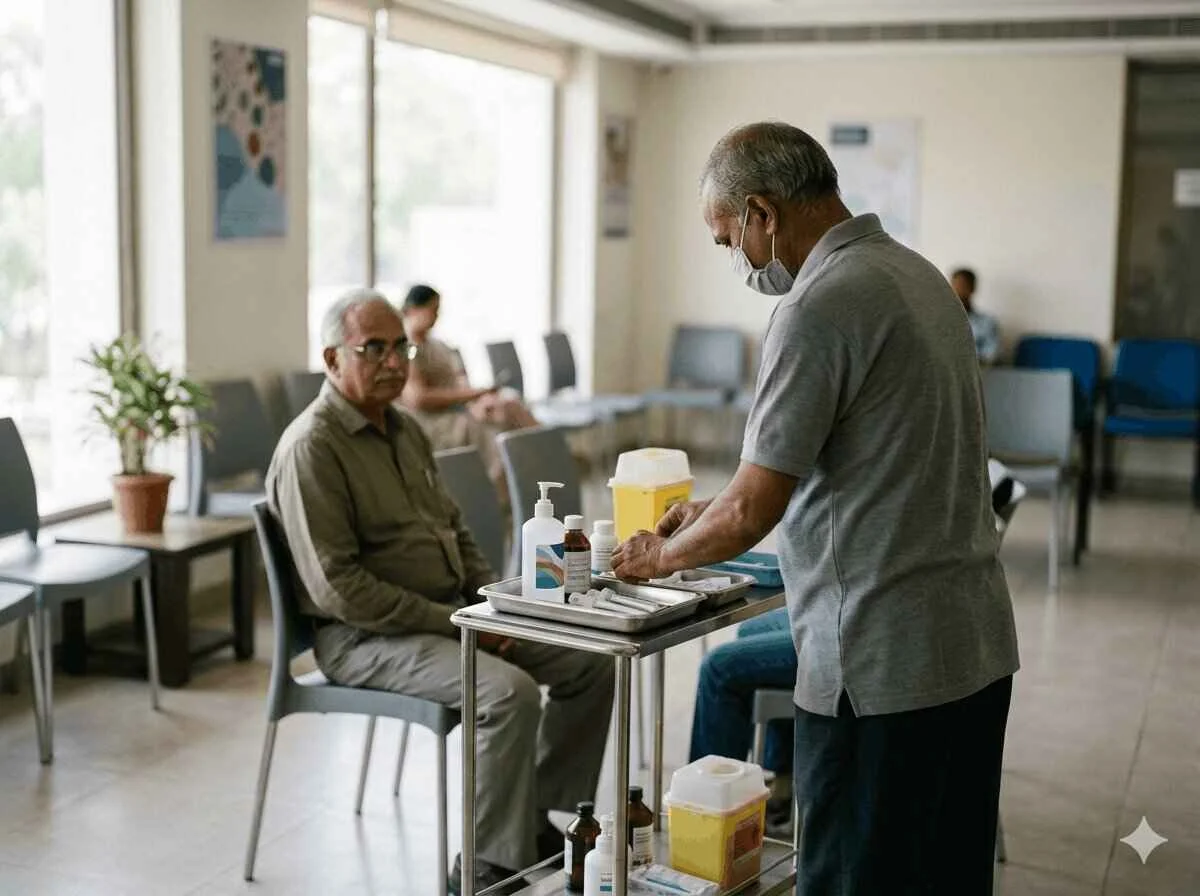
The guidance, issued by the Office of Public Health Preparedness, recommends that vaccinations begin earlier than in previous years, advising eligible individuals to get vaccinated as soon as supplies become available rather than waiting until later in the season. Officials said the updated timeline reflects observations from recent years showing flu activity beginning earlier in some regions than historical averages had suggested.

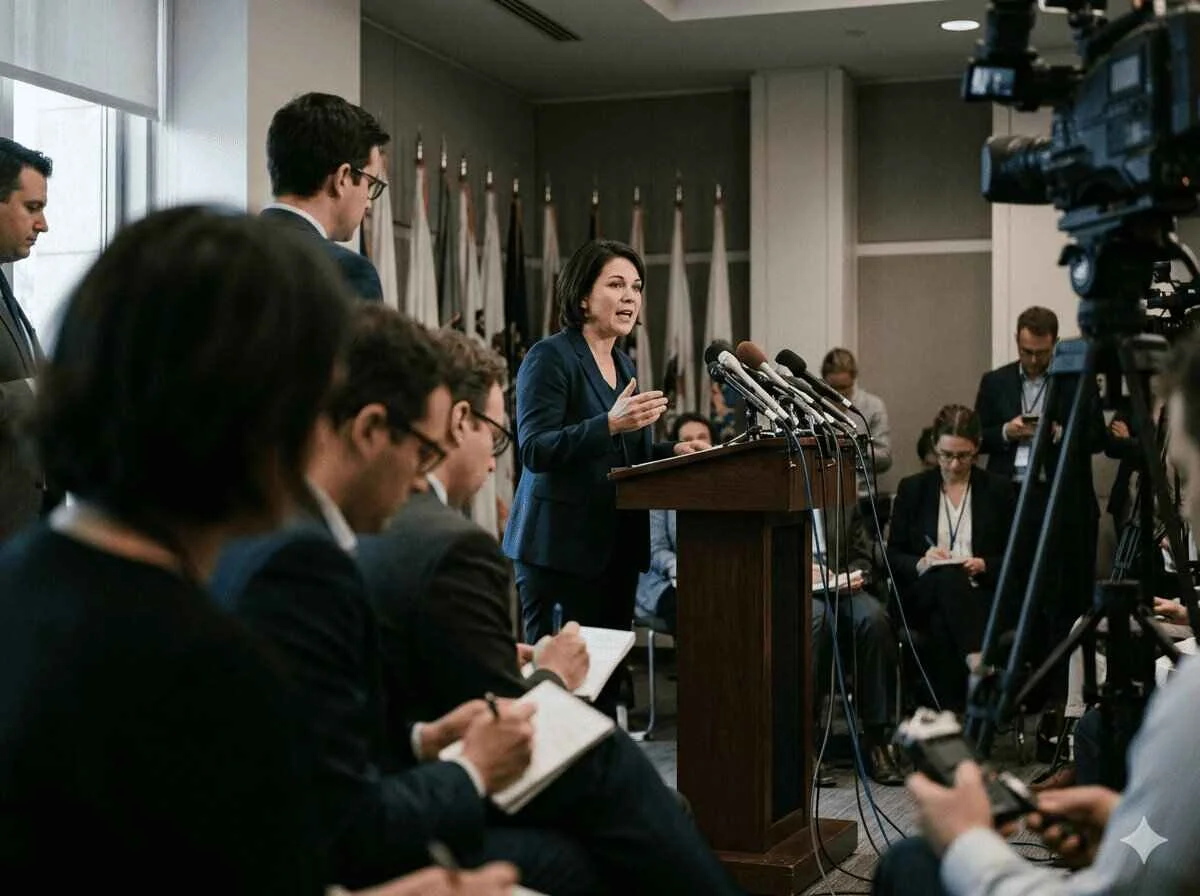
“Getting vaccinated early gives the body time to build protection before flu activity typically peaks,” said Dr. Samuel Okereke, a senior official at the Office of Public Health Preparedness, in a statement accompanying the guidance. Okereke’s remarks are illustrative of the broader rationale behind the updated recommendations.
Updated Guidance for Higher-Risk Groups
According to the new guidelines, additional precautions are being recommended for older adults, young children, and individuals with certain underlying health conditions, groups that have historically faced higher risks of complications from seasonal flu. The guidance also encourages healthcare providers to offer flu vaccinations alongside other routine seasonal immunizations where appropriate, in an effort to improve overall vaccination rates.
Public health officials said the updated guidelines also place renewed emphasis on basic preventive measures, including frequent handwashing and staying home when experiencing flu-like symptoms, particularly in workplace and school settings where illness can spread quickly among close contact groups.
What the Guidelines Mean for the Public
Healthcare providers say the updated timeline is expected to ease pressure on clinics later in the season, when demand for vaccinations typically peaks. “Spreading out vaccination uptake earlier in the season can help avoid the bottlenecks we’ve seen in years when most people wait until the last few weeks,” said Dr. Okereke.
The Office of Public Health Preparedness said additional public information campaigns would be rolled out in the coming weeks to support the updated guidance.










Post Comment
You must be logged in to post a comment.