

Share this content:
Negotiators race against the clock as funding disputes and enforcement language threaten to derail a landmark emissions framework
Negotiators from more than 90 nations entered the final day of the Global Climate Accord Summit in Veridia Bay on Thursday, racing to finalize a draft agreement on emissions targets before delegations begin departing this weekend.
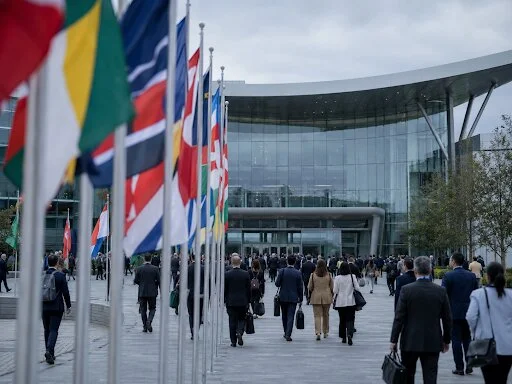
The five-day summit, which was hosted at the Meridian Convention Centre, has drawn heads of state, climate envoys, and industry representatives seeking consensus on a revised framework for carbon reduction commitments through 2040.
Organizers said the closing session would determine whether participating nations adopt binding interim targets or a more flexible, voluntary structure that is favored by several large economies.

“We are closer than we have been in years, but the gap between ambition and obligation remains the central fight,” said Lena Okafor, lead coordinator for the summit’s technical working group, in remarks to reporters Thursday morning. Okafor’s comments are illustrative of the cautious optimism circulating among delegation staff as final-hour negotiations continued behind closed doors.
Sticking Points Remain Over Funding and Timelines
According to summit briefing documents that were reviewed by correspondents on-site, three issues have dominated late-stage talks: the scale of a proposed climate adaptation fund for vulnerable coastal and agricultural regions, enforcement mechanisms for nations that miss interim benchmarks, and the timeline for phasing down fossil fuel subsidies.
A coalition of smaller island and coastal .nations that are organized under the banner of the Coastal Resilience Bloc, has pushed for accelerated funding commitments, arguing that delayed adaptation financing leaves frontline communities that are exposed to rising sea levels and extreme weather events.
Several larger industrial economies have advocated for longer transition windows, citing energy security and workforce retraining concerns.
Talks reportedly stalled briefly on Wednesday night over the enforcement clause that was proposed before negotiators agreed to revisit the language Thursday morning with a smaller drafting group.
What Happens Next
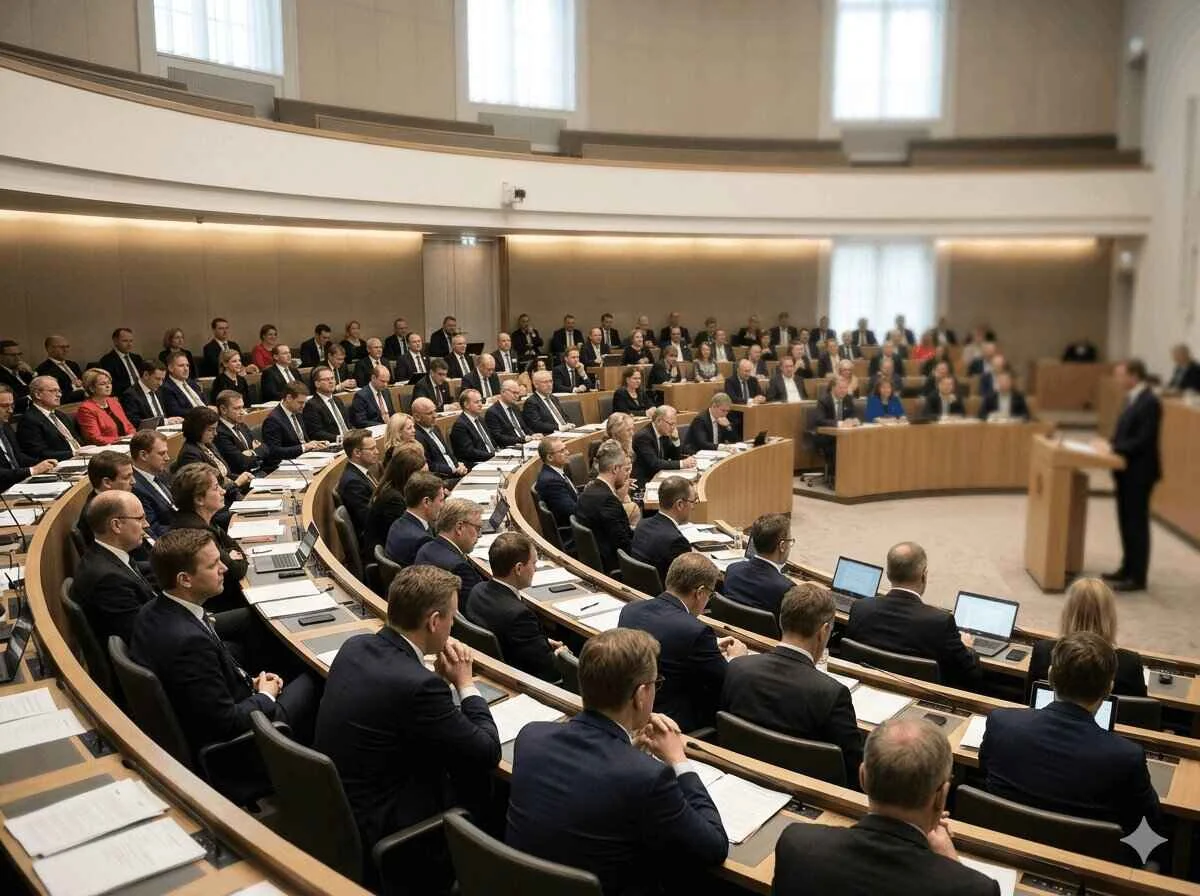
Delegations will gather for a final plenary session late Thursday afternoon to vote on the consolidated draft text. Summit officials have not confirmed whether a unanimous agreement is achievable, noting that some governments may issue formal reservations even if the broader accord passes.
Independent climate policy analysts following the summit say the outcome will likely influence investment in renewable energy infrastructure over the next several years, regardless of whether the final document becomes legally binding.
“Markets are watching the funding mechanism more closely than the headline targets,” Tomas Reyes, an energy policy analyst at the Caldwell Institute, said, reflecting broader expert sentiment.
Summit officials expect to hold a closing press conference once the plenary session concludes, and they plan to release the final communiqué in the coming days.
Civil society groups have organized a demonstration outside the convention centre, calling for stronger accountability measures regardless of the summit’s formal outcome.








Post Comment
You must be logged in to post a comment.