

Share this content:
A growing number of hospitals are deploying AI-based scheduling and triage systems, reporting measurable reductions in emergency department wait times
A growing number of hospitals are adopting artificial intelligence tools designed to streamline patient scheduling and triage, with early results showing measurable reductions in emergency department wait times at several facilities.
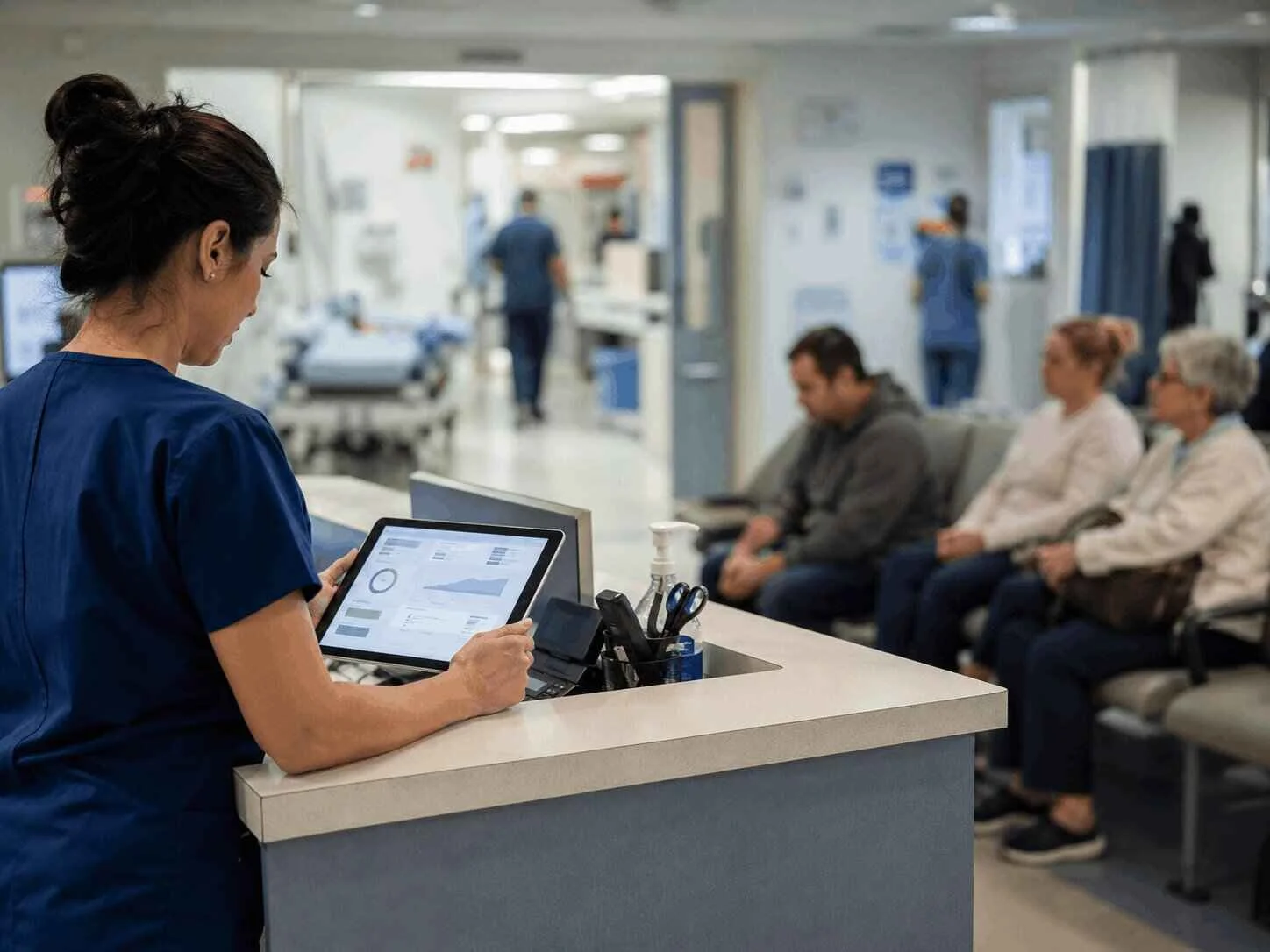
The technology, deployed in recent months at multiple hospital networks, uses predictive algorithms to help staff anticipate patient volume, prioritize cases based on severity indicators, and optimize bed and staff allocation in real time. Hospital administrators say the tools are intended to support, not replace, clinical decision-making, with final triage and treatment decisions remaining with medical staff.

“The goal isn’t to take judgment out of the hands of clinicians, it’s to give them better information faster so they can make those judgment calls more effectively,” said Dr. Naomi Strand, chief medical information officer at Crestwell Regional Health Network, in a statement this week. Strand’s remarks are illustrative of the broader rationale hospital systems have offered for adopting the technology.
Early Results Show Promise
According to figures released by Crestwell Regional Health Network, average emergency department wait times fell by approximately 18 percent in the months following the tool’s rollout, with the most significant improvements observed during peak demand periods. Illustrative figures from other participating hospital networks point to similar early trends, though officials caution that results have varied depending on facility size and patient volume.
Hospital staff who have worked directly with the new systems say the tools have been particularly useful in flagging potential bottlenecks before they affect patient flow, allowing administrators to redirect resources proactively rather than reactively. Some staff members noted an adjustment period was needed as teams became familiar with the new workflows.
Looking Ahead
Healthcare analysts following the rollout say broader adoption will likely depend on continued evidence of consistent results across different hospital environments. “These tools show real promise, but hospitals will want to see sustained performance over a longer period before treating this as a standard practice,” said Owen Bracewell, healthcare technology analyst at the Ferris Institute, in comments framed as illustrative of broader industry caution.
Additional hospital networks are expected to begin similar pilot programs in the coming months.











Post Comment
You must be logged in to post a comment.